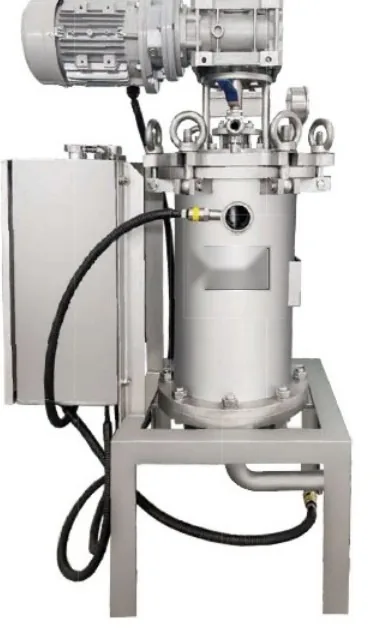
SC · self-cleaning
Automatic self-clean
Mechanical on-line removal from the screen; scraper or brush driven by electric or pneumatic motor, or cylinder, PLC on timer or differential pressure.

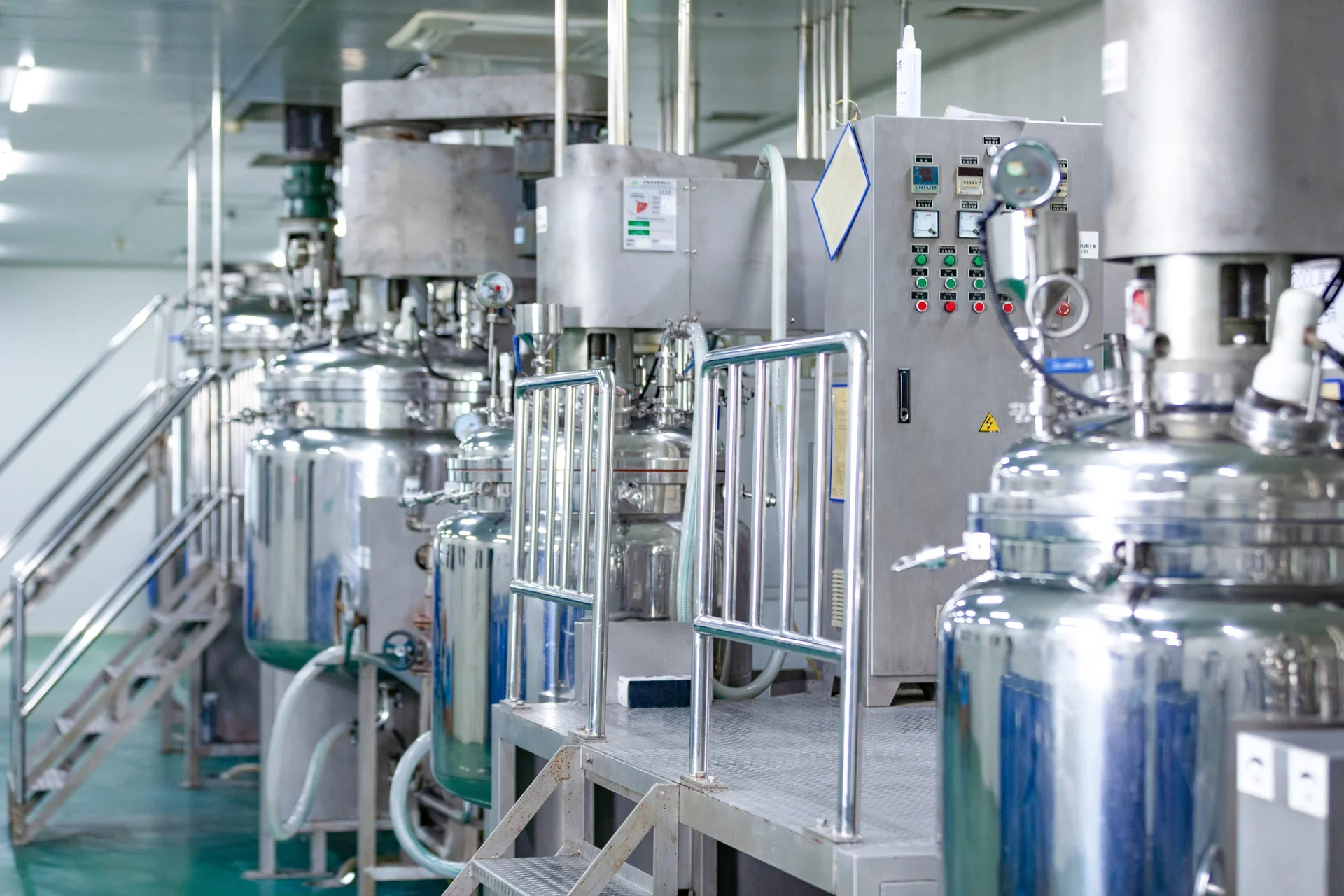
Applications · Chemicals
Adhesives, emulsions, latex, polymers, rubber compounds, additives, pigments and inks are often viscous and loaded. Self-cleaning filtration handles the stream without a consumable element; candle filtration applies where a recoverable cake, slurry concentration or closed-vessel handling is required. The filter arrangement and housings below are selected against this duty.
Share the stream type, flow, viscosity, temperature, target rating and the current filter before selection; housing grade, element rating and seals are confirmed against the actual medium.
Each family below is matched to the duty shown above; housings, elements and seals are then selected against the stated conditions.
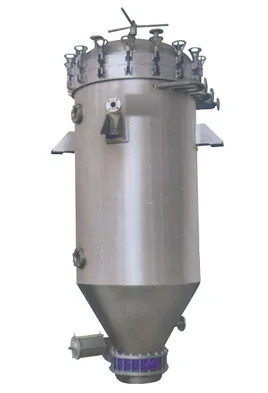
Equipment, elements, seals and connection parts can be coordinated together against the selected arrangement.
Design basis. Series and staging below are indicative directions; pressure, temperature, viscosity, rating and material ranges are confirmed per selected model against the actual medium. No figure here is carried over from a third-party catalogue.
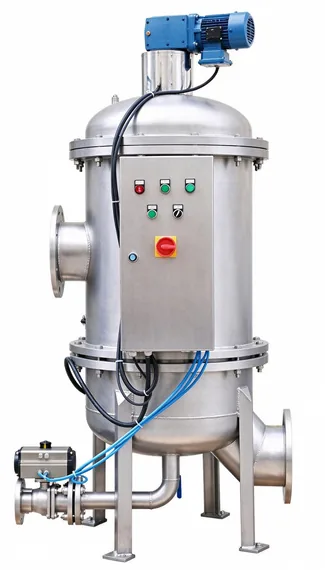
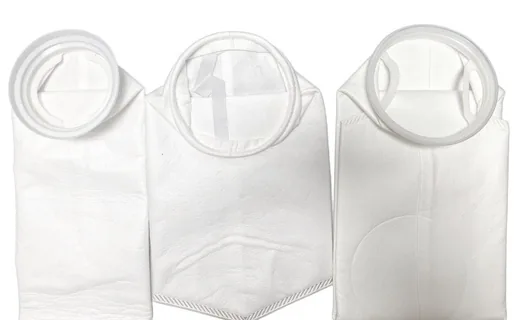
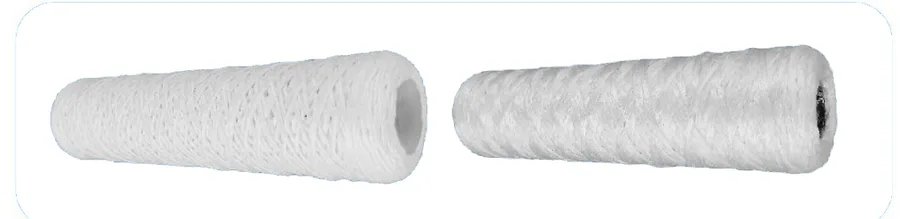
Common problems in this market usually point to the stage arrangement, element form or cleaning method.
Scraper/self-cleaning suits viscous loaded streams without a consumable; candle suits closed-vessel separation where the cake or slurry matters.
Options are confirmed against the chemical compatibility list, service temperature and pressure before order.
These details help confirm the main-stage family, pre-stage arrangement and element direction before formal selection.
| Input to provide | How it sets the model |
|---|---|
| Viscosity range and temperature | Sets housing grade, seal material, viscosity route and element family against the service condition. |
| Solids type and particle form | Sets the pre-stage and main-stage arrangement against the coarse and fine solids mix. |
| Pressure and required rating | Sets the target rating and element form; fine duty is not routed to coarse protection alone. |
| Batch or continuous duty | Sets automatic versus manual changeout and the operating arrangement. |
| Whether the solids are waste, a recoverable product or a slurry to concentrate | Sets whether a closed candle or leaf vessel with cake discharge and recovery is required. |
| Whether pre-coat or cake wash is required | Sets whether a pre-coat layer or cake-wash step is built into the candle or leaf cycle. |
Send the polymer or additive description, viscosity and batch pattern. We answer with a series and a staged layout, not a brochure.